

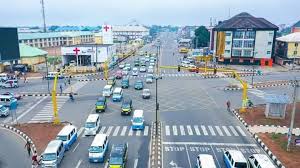
The Igbo people, predominantly residing in southeastern Nigeria, have long been recognized for their vibrant commercial activities and entrepreneurial spirit. Their economic landscape is characterized by a diverse range of sectors, each contributing significantly to the region’s overall economic health.
1. Demographics and Population
The Igbo constitute approximately 18% of Nigeria’s population, translating to an estimated 36 million individuals based on Nigeria’s population of around 200 million. Their traditional homeland spans the southeastern region, one of the most densely populated areas in Africa. minorityrights.org
2. Agricultural Sector
Agriculture remains a cornerstone of the Igbo economy, with both subsistence and commercial farming practices.Trade.gov+3facebook.com+3digitalcommons.liberty.edu+3
i. Subsistence Farming
-
Staple Crops: Yams, cassava, and taro are primary staples. everyculture.com+1minorityrights.org+1
-
Subsidiary Crops: These include cocoyams, plantains, maize, melons, okra, pumpkins, peppers, gourds, and beans. everyculture.com
ii. Cash Crops
- Palm Products: Palm oil and palm kernels serve as significant cash crops and principal exports. everyculture.com
3. Industrial and Craftsmanship Activities
The Igbo are renowned for their industrial arts and craftsmanship, which play a vital role in their economy.
i. Blacksmithing
- Awka Blacksmiths: The blacksmiths of Awka are particularly noted for their expertise in ironsmithing. everyculture.com
ii. Wood Carving and Pottery
-
Men’s Wood Carving: Known for high-quality wood carvings.everyculture.com
-
Women’s Pottery: Women excel in pottery and patterned woven cloth. everyculture.com
4. Trade and Commerce
Trade is a pivotal aspect of Igbo commerce, with both men and women actively participating in various trading activities.
i. Women’s Role in Trade
-
Market Dominance: Women dominate rural retail-market trade.everyculture.com
-
Economic Activities: Engage in mat-making, pottery, cloth weaving, and petty trade. everyculture.com
ii. Migration and Economic Expansion
- Internal Migration: Over 1 million Igbo have migrated to other parts of Nigeria, contributing to economic activities nationwide. minorityrights.org
5. Entrepreneurship and Apprenticeship System
The Igbo are widely recognized for their entrepreneurial activities, which have been pivotal in Nigeria’s economic growth and development.
i. Igbo Trade Apprenticeship System (ITAS)
-
Business Success Factor: ITAS is identified as a key factor behind Igbo business success. researchgate.net
-
Economic Growth: Igbo entrepreneurial activities, facilitated by ITAS, are considered a panacea for Nigeria’s economic growth and development. researchgate.net
6. Education and Civil Service
High literacy rates among the Igbo have facilitated their involvement in various sectors beyond traditional commerce.everyculture.com
i. Civil Service and Business
- Employment: Many Igbo have secured positions as civil servants and business entrepreneurs, leveraging their educational background. Encyclopedia Britannica
7. Cultural Influence on Business Practices
Igbo culture significantly influences business practices in southeastern Nigeria.
i. Cultural Practices
- Apprenticeship System: The traditional Igbo apprenticeship system plays a crucial role in guiding business success in the region. EA Journals
Conclusion
The Igbo people’s commercial activities are deeply rooted in their cultural heritage, characterized by a robust agricultural sector, skilled craftsmanship, dynamic trade practices, and a strong emphasis on education and entrepreneurship. These elements collectively contribute to the vibrant economy of the Igbo region and its significant role in Nigeria’s overall economic landscape.